
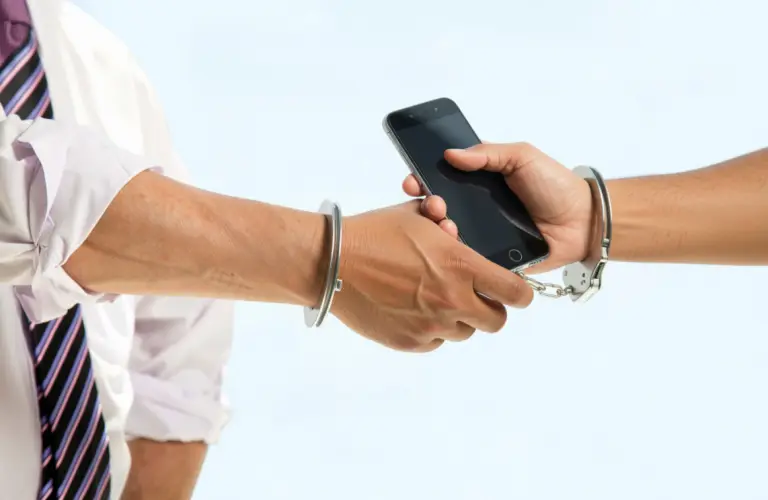
What is a "Digital Arrest"? The Anatomy of India’s Deadliest Cyber Scam and How to Protect Yourself
Imagine receiving an urgent call from someone claiming to be an officer from the Telecom Regulatory Authority of India (TRAI), the CBI, Customs, or the Narcotics Control Bureau. They tell you that a courier parcel sent in your name—containing illegal drugs, fake passports, or SIM cards linked to terror networks—has been intercepted.
Before you can process the shock, you are ordered onto a continuous video call, threatened with immediate imprisonment, and coerced into transferring your life savings into a "government verification account."
This cyber extortion tactic is widely known as a "Digital Arrest." Hundreds of crores have been stolen through this method, targeting doctors, software engineers, retired civil servants, and lawyers alike.
Here is everything you need to know about how this scam operates, why it succeeds, and the exact steps you must take to safeguard your money.
What is a "Digital Arrest"? (The Legal Reality)
The Golden Rule: There is no such thing as a "digital arrest" in the legal framework of India or any other country.
Under procedural law, law enforcement agencies (such as the Police, Enforcement Directorate, CBI, or NIA) cannot and will not arrest anyone over a video call.
- Physical presence is required to execute an arrest warrant.
- Standard background checks—such as passport verifications—always involve an in-person visit by a local police officer.
- Real law enforcement agencies will never handle high-stakes criminal investigations entirely online via Skype or WhatsApp.
How the Scam Works: Step-by-Step
Cybercriminals rely heavily on psychological manipulation, isolation, and staged authority to trap victims.
Step 1
Initial Call (Fake Parcel / Terror Threat)
Step 2
Psychological Isolation (Forbidden Talk)
Step 3
Staged Video Setup (Skype/WhatsApp)
Step 4
Financial Extortion ("Safe Account")
1. The Hook (Fabricated Crime)
The victim receives an SMS, IVR automated call, or direct phone call. The scammer claims:
- A parcel containing contraband (e.g., MDMA/heroin) linked to your details was intercepted at an airport or customs post.
- Your bank account or SIM card was used for money laundering or terror financing.
2. Psychological Isolation
The scammer strictly forbids the victim from hanging up or consulting anyone—including family members or lawyers. They create a high-stress environment, threatening immediate physical arrest or public humiliation if the victim breaks contact.
3. Staged Video Call
The victim is instructed to download video software like Skype or WhatsApp. On screen, scammers appear dressed in official uniforms against background studio setups designed to mirror police stations, complete with official logos, flags, and simulated police station ambient noise.
4. Financial Extortion
Scammers demand that victims disclose their bank account balances on camera. Under the guise of "verifying funds" or transferring money to a "safe government nodal account," victims are coerced into making net banking transfers. Scammers even issue fake official receipts to maintain the illusion of legitimacy.
Shocking Statistics & Real Case Studies
The scale of digital arrest fraud has reached alarming levels across India:
| Key Metric / Fact | Statistic / Detail |
|---|---|
| Monthly Loss to Digital Arrests | Over ₹214 Crores per month |
| Cases Reported (Jan–Oct 2024) | Nearly 1,000,000 cases flagged |
| Primary Crime Hubs | ~40% originate from Southeast Asia (Cambodia, Myanmar, Laos) via VPNs & encrypted channels |
| Record Individual Loss | A Bengaluru software engineer lost ₹11.8 Crores over multiple transfers |
High-Profile Examples
- Bengaluru Techie (₹11.8 Crores): Coerced via video calls over several days under threats of family arrest and fabricated Supreme Court involvement.
- Mumbai Senior Citizen (₹3.8 Crores): A 77-year-old woman was placed on a continuous 24/7 video call monitoring her every move before being defrauded of her life savings.
- Retired Engineer & Medical Professionals: Doctors and senior engineers across Lucknow, Varanasi, and Kolkata have lost amounts ranging from ₹50 Lakhs to ₹2.8 Crores.
How to Safeguard Yourself: The "Stop, Think, Act" Rule
If you receive a suspicious call claiming you are under investigation or digital arrest, exercise your most powerful tool: the power to disconnect.
1
Disconnect Immediately
The moment a caller creates panic, threatens legal action, or demands you join a video call, hang up instantly.
2
Never Share Personal or Financial Data
Never disclose bank details, account balances, OTPs, or government identity details over an incoming phone call or video stream.
3
Verify Through Official Channels
If someone claims to be from a specific police station or agency, look up the official public phone number separately. Call them directly or visit your local police station in person.
4
Set Banking Controls
Place daily transaction limits on your online banking accounts so that funds cannot be drained in a moment of distress or coercion.
If you suspect fraud or transferred money:
Call the National Cyber Crime Helpline: 1930 or visit cybercrime.gov.in
Systemic Action & Government Measures
To curb the menace of digital arrest frauds, Indian law enforcement agencies and government departments—including the Indian Cybercrime Coordination Centre (I4C) under the Ministry of Home Affairs—are taking key measures:
- Device-Level Blocking: Telecom authorities and platforms like WhatsApp are actively working to block hardware device IDs linked to fraudulent activities to prevent scammers from simply creating new accounts.
- Mule Account Crackdowns: Tightening KYC compliance across commercial and private banks to trace and freeze fraudulent "mule" bank accounts instantly.
- International Cooperation: Collaborating with international law enforcement to dismantle overseas call center operations operating across Southeast Asia.
Key Takeaways
- Digital arrest does not exist in law.
- Real law enforcement agencies will never demand money, OTPs, or bank transfers over video calls.
- Awareness is your strongest defense—Stop, Think, and Disconnect.
- Report any cyber fraud attempt immediately by dialing 1930.