
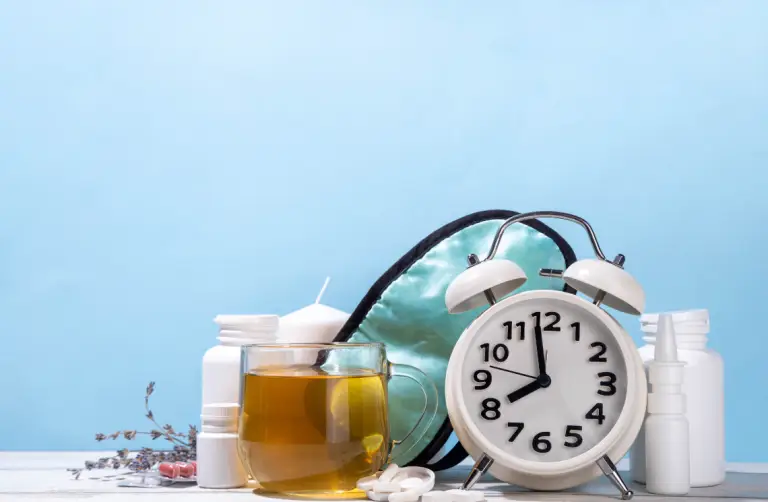
The Ultimate Sleepmaxxing Protocol: 10 Evidence-Based Strategies to Optimize Rest, Recovery, and Performance
Whether you are trying to maximize muscle growth in the gym, build a company, or simply survive the daily demands of modern life, your progress hinges on one critical foundation: the quality of your sleep.
While the "grind culture" mindset tells us to sleep less to achieve more, high performers are quietly shifting in the opposite direction. Welcome to sleepmaxxing—the practice of treating sleep as a measurable, high-value skill.
By moving away from basic sleep tips and building a dedicated system, you can reduce sleep latency (how quickly you fall asleep), boost deep and REM sleep cycles, and unlock peak daytime energy.
1. Master the Sleep Environment: Light, Noise, and Air
Your bedroom should be an environmental baseline for recovery, built around three distinct pillars:
Temperature Control
19°C–21°C / 66°F–70°FTo initiate sleep, your core body temperature must drop by roughly 1°C to 2°C (2°F–3°F). This drop signals to your central nervous system that it is time to unwind.
- Set your thermostat to around 19°C–21°C (66°F–70°F).
- The Counterintuitive Hack: Take a hot shower 60 to 90 minutes before bed. The rapid dump of body heat through your skin upon stepping out forces your internal temperature down faster.
Absolute Darkness
Zero Ambient LightLight exposure—even tiny ambient LEDs—suppresses melatonin production.
- Install blackout curtains or wear a contoured eye mask.
- Tape over LED indicators on AC units, power strips, and TV standby lights.
Air Flow & Airway Support
Nasal BreathingAir quality directly impacts sleep architecture.
- Use a quiet fan or open a window to encourage circulation.
- If you suffer from snoring, mouth breathing, or morning fogginess, test for sleep apnea. Incorporating mouth tape or nasal strips can encourage beneficial nasal breathing, but identifying structural issues like sleep apnea comes first.
2. Eliminate Environmental Stressors & Disruptions
Even short micro-awakenings can disrupt your deep and REM sleep stages.
- Fix Pet Noise: If pets share your bedroom, silence their tags with silicone silencers to eliminate midnight jingling.
- Set Neighbor/Household Boundaries: Treat sleep as a family commitment. Set clear household guidelines around bedtime and handle external noise issues (like barking dogs) proactively before they ruin your rest.
3. Strict Stimulant Cut-Offs & Tapering
Stimulants drive up your heart rate and keep your central nervous system in a state of high alert—the exact opposite of what you need for restorative rest.
| Stimulant | Upper Daily Limit | Cut-Off Time |
|---|---|---|
| Caffeine | 200 mg – 500 mg | Strictly before 12:00 PM (Midday) |
| Nicotine | Eliminate completely if possible | No evening use |
Why it matters: Caffeine has an average half-life of 5 to 6 hours. Even if you can fall asleep with caffeine in your system, it significantly decreases your total deep sleep duration.
4. Light Optimization: Circadian Rhythm Management
Your internal clock (circadian rhythm) relies heavily on light cues to regulate melatonin and cortisol levels.
Morning Protocols
- Get Sunlight First Thing: Get 2 to 10 minutes of direct morning sunlight within 30 minutes of waking.
- Use Bright Light Therapy: If it's dark outside when you wake, sit next to a 10,000 Lux light box for 10 to 15 minutes to shut off melatonin production instantly.
Evening Protocols
- Turn off harsh overhead lighting 2 hours before bed; switch to low-level warm lamps or red lighting.
- Enable night modes (green/red tint) on all digital screens or wear blue-light-blocking glasses if using devices.
5. Evening Work Sanctuaries & The "Sleep Sanctuary" Mindset
Condition your brain to associate your bed exclusively with sleep using basic psychological principles.
- The Bedroom Standard: Do not work, eat, watch television, or doom-scroll in bed. Entering your bedroom should trigger a conditioned relaxation response.
- The 90-Minute Work Shutdown: Stop all intense work, studying, or high-friction tasks at least 90 minutes before bed.
6. Strategic Pre-Bed Nutrition: Prevent Overnight Hypoglycemia
Eating a massive, heavy meal right before bed forces your body to divert blood flow to your digestive tract, raising your core temperature and disrupting sleep quality. However, going to bed with low liver glycogen can trigger a spike in cortisol and adrenaline overnight—waking you up at 3:00 AM unable to fall back asleep.
The Ideal Pre-Bed Treat (60 Minutes Prior)
- Gold Kiwis: High in serotonin, vitamin C, and natural compounds that boost sleep quality.
- Raw Organic Honey: Rich in fructose, which preferentially replenishes liver glycogen and keeps blood sugar stable all night.
- Alternative Options: Blueberries with honey or light, easily digestible whole foods.
7. The Targeted Supplement Stack
Disclaimer: Always consult with a qualified healthcare provider before introducing new supplements to your routine.
| Supplement | Typical Dose | Targeted Benefit |
|---|---|---|
| Glycine | 3g – 5g | Cools core body temp; calms central nervous system. |
| Magnesium Biglycinate / Taurate | 400 mg – 800 mg | Reduces sleep latency; improves insomnia markers. (Avoid Magnesium Oxide). |
| L-Theanine | 200 mg | Promotes alpha brain waves; reduces evening anxiety. |
| Tart Cherry Juice | 1 Small Glass | Natural source of melatonin and anti-inflammatories. |
- A Note on Melatonin: While helpful for short-term shift-work or severe jet lag, high daily doses of exogenous melatonin (3mg–10mg) can cause morning grogginess and sleep inertia. Use lower doses or rely on tart cherry juice and light management for daily maintenance.
- Creatine for Sleep Deprivation: If you hit an unavoidable period of poor rest, a temporary 10g–20g bolus dose of creatine can help mitigate daytime cognitive fatigue.
8. Build a Consistent Sleep & Wind-Down Schedule
Consistency is the single most powerful tool in sleep optimization.
- Pick an Unshakable Bedtime: Choose a realistic time (e.g., 9:00 PM or 10:00 PM) and stick to it every single day.
- Cap Weekend Sleep-Ins: Sleeping in late on weekends causes "social jet lag." Limit weekend wake-up variations to no more than 30 minutes past your normal time.
- Engage "Sleep Mode": 30–60 minutes before bed, engage in low-arousal activities like reading a physical book, stretching, or listening to calm music. When stressful thoughts surface, acknowledge them, defer them to the morning, and protect your evening wind-down space.
9. Physical Conditioning: Cardio and Body Composition
Your daytime physical activity directly determines your night-time sleep drive.
- Lower Body Fat: Maintaining a healthy body fat percentage directly reduces airway resistance, curbing snoring and obstructive sleep events.
- Daily Cardio: Consistent zone 2 cardio and strength training increase slow-wave (deep) sleep. Just be sure to finish intense workouts at least 3 to 4 hours before bedtime so your heart rate and core temperature can normalize.
10. Track, Quantify, and Adjust (Without Stress)
Using wearables like the Oura Ring, Whoop Band, or Apple Watch can help you discover actionable trends, such as how late-night eating destroys your heart rate variability (HRV) or how alcohol crushes your REM sleep.
Sleep Data Loop
Track Metrics
Latency, Deep, REM
Identify Patterns
& Evening Stressors
Adjust Protocol
Diet, Light, Schedule
Avoid Orthosomnia
If tracking your sleep metrics causes you anxiety or leads to over-analyzing scores every morning (a condition known as orthosomnia), stop checking the scores daily. Use tracking tools periodically to spot macro-trends, and rely primarily on how you feel throughout the day as your ultimate metric.
Summary Checklist
To start sleepmaxxing today, focus on these non-negotiables:
- Keep your room cool (19°C–21°C / 66°F–70°F) and completely dark.
- Cut off caffeine by noon and stop working 90 minutes before bed.
- Get 10 minutes of bright light exposure within 30 minutes of waking.
- Keep your wake-up time consistent within a 30-minute window every day.
- Treat sleep as an active, high-priority system rather than an afterthought.