
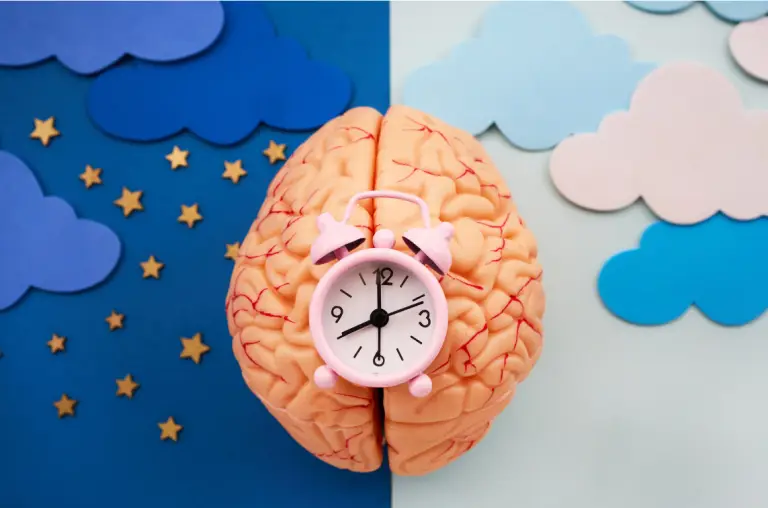
Mastering Your Circadian Rhythm: The Ultimate Science-Backed Guide to Better Sleep, Energy, and Health
Have you ever wondered why you experience an energy slump around 2:00 PM, or why scrolling on your phone right before bed leaves you tossing and turning for hours? The answer lies within your circadian rhythm—your body’s internal 24-hour master clock.
Across human history, ancient wellness traditions like Ayurveda and Traditional Chinese Medicine emphasized alignment with nature's daily cycles. Today, modern science and molecular biology confirm what these traditions practiced for millennia: optimizing your circadian clock is the ultimate key to better sleep, sustained daily energy, sharper focus, and long-term physical health.
In this ultimate guide, synthesized from leading sleep specialists, neuroscientists, and health researchers, you will learn how your body clock works, what disrupts it, and actionable, science-backed strategies to reset your biological rhythm.
01 What Is the Circadian Rhythm?
The term circadian originates from the Latin words circem ("around") and diem ("day"). A circadian rhythm is a biological cycle that shifts across a 24-hour period, dictating your sleep-wake patterns, hormone secretion, core body temperature, metabolism, and cognitive performance.
Nearly every living organism on Earth—from humans and mammals to plants, algae, and even your gut bacteria—operates on a circadian clock.
How Light Regulates Your Internal Master Clock
Hormones & Metabolism
- Melatonin & Cortisol
- Ghrelin, Leptin, Insulin
Body Temp & Focus
- Core Temp Rises & Falls
- Memory & Focus Peak/Slump
The Brain’s Master Clock: The SCN
At the base of your brain lies the hypothalamus, which houses a group of nerve cells known as the Suprachiasmatic Nucleus (SCN). The SCN acts as the master conductor for your entire body:
- Light Exposure: Light enters your eyes and triggers signals along the optic nerve directly to the SCN.
- Hormonal & Physiological Signaling: In response to light cues, the SCN regulates body temperature, blood pressure, heart rate, and the release of key hormones to prepare you for either wakefulness or rest.
02 Sleep Drive vs. Sleep Rhythm: Understanding the Difference
According to sleep experts, healthy sleep relies on two distinct internal systems working together:
Sleep Drive
Homeostatic Sleep Pressure
The longer you stay awake, the more a chemical called adenosine builds up in your brain, creating an increasing pressure or "hunger" for sleep.
Sleep Rhythm
Circadian System
An independent 24-hour clock that signals to your body when it is time to be awake and when it is time to sleep, regardless of how long you have been up.
Key Takeaway: When these two systems are aligned, you fall asleep easily and wake up refreshed. When they are out of sync, you experience fatigue, brain fog, and sleep maintenance issues.
03 The Molecular Symphony: Key Hormones Driving Your Rhythm
Your biological clock governs your day-to-day functions through a precise hormonal dance:
| Hormone / Parameter | Primary Role | Peak Time | Circadian Effect |
|---|---|---|---|
| Cortisol | Alertness & Energy | Early Morning (Shortly after waking) | Promotes wakefulness and readies the body for daily cognitive demands. |
| Melatonin | Sleep Readiness | Nighttime (Peaks in middle of night) | Secreted by the pineal gland in response to darkness to induce drowsiness. |
| Insulin | Blood Sugar Regulation | Day / Morning | Sensitivity is high during daylight and drops significantly at night. |
| Ghrelin | Hunger Signal | Before typical mealtimes | Rises to alert you that it is time to eat based on your daily routine. |
| Leptin | Satiety Signal | Post-Meal | Signals to the brain that you are full and can stop eating. |
| Core Body Temp | Physical & Cognitive Performance | Late Afternoon (3 PM – 6 PM) | Rises throughout the day for optimal physical capability and drops at night for sleep. |
04 Chronotypes: Are You an Early Bird or a Night Owl?
Not everyone’s internal clock ticks at the exact same pace. Natural variations in circadian timing are known as chronotypes.
Early Birds (Larks)
Rise naturally with the sun, flood with cortisol right before waking, reach peak cognitive efficiency early, and tire around sunset.
The Middle Majority
Most individuals fall somewhere along a balanced spectrum between the two extreme chronotypes.
Night Owls
Experience delayed cortisol release (peaking ~30 minutes after waking), reach peak focus and creative drive in the late afternoon/evening, and prefer sleeping past dawn.
Biological Note: Chronotypes are heavily influenced by genetics, age, and daily light exposure. For example, teenagers naturally undergo a sleep phase delay due to hormonal shifts during puberty, making them naturally inclined to stay up later. Older adults often experience an advanced sleep phase, waking up earlier.
05 What Disrupts Your Biological Clock?
When your lifestyle conflicts with natural light and dark cycles, your master clock loses synchronization with your internal organs. Up to 15% of human genes are regulated by circadian rhythms—meaning disruptions impact far more than just your sleep quality.
Primary Causes of Circadian Disruption:
-
1
Shift Work: Working nocturnal or erratic shifts forces you to stay alert in darkness and sleep in daylight, causing severe chronic circadian mismatch.
-
2
Jet Lag: Rapidly crossing multiple time zones leaves your SCN out of sync with your new location’s light-dark schedule.
-
3
Daylight Saving Time: Even a 1-hour shift in the clock leads to short-term spikes in workplace injuries, car accidents, and cardiovascular events due to acute circadian shock.
-
4
Artificial Light & Blue Light Exposure: Blue light emitted by smartphones, laptops, TVs, and bright indoor LED lighting suppresses nighttime melatonin production by up to 50%.
-
5
Irregular Sleep Schedules: Inconsistent bedtimes ("social jet lag") weaken the circadian system, increasing long-term risks for metabolic disorders, diabetes, obesity, depression, and compromised immunity.
06 Circadian Rhythm Disorders
When circadian misalignment becomes chronic and severely interferes with work, school, or personal life, it may be classified as a circadian rhythm sleep-wake disorder:
Delayed Sleep-Wake Phase Disorder (DSWPD)
Characterized by a persistent inability to fall asleep and wake up at conventional times (common in adolescents and young adults).
Advanced Sleep-Wake Phase Disorder (ASWPD)
Characterized by falling asleep very early in the evening (e.g., 6:00 PM - 8:00 PM) and waking up extremely early in the morning (e.g., 2:00 AM - 4:00 AM), most common in older adults.
07 The Optimal 24-Hour Circadian Blueprint
To optimize your daily productivity, focus, fitness, and digestion, structure your day around your body clock's natural physiological fluctuations:
Early Morning: Light & Hydration
Hormone Profile: Cortisol high, Melatonin low, Insulin sensitivity rising.
- Action: Step outside for 10–20 minutes of natural sunlight immediately after waking. Outdoor daylight (even on cloudy days) is significantly brighter than indoor light and signals the SCN to suppress melatonin and kickstart daytime alertness.
- Mindset: Engage in light routine tasks while your blood sugar and core body temperature gradually rise.
Late Morning: Cognitive Peak
Hormone Profile: Cortisol at daily max, Alertness & Memory sharpest.
- Action: Tackle your most cognitively demanding tasks, problem-solving, deep writing, or analytical work during this window.
- Fuel: Consume a nutrient-dense breakfast to restore glycogen and sustain focus. Light exercise during this period triggers mood-boosting endorphins.
Post-Lunch & Afternoon: Managing the Slump
Hormone Profile: Natural circadian lull (secondary sleep propensity window).
- Action: Expect a natural dip in alertness between 2:00 PM and 3:00 PM. Schedule routine emails, administrative work, or low-intensity meetings.
- Power Nap: If needed, take a 15- to 20-minute power nap before 3:00 PM to recharge without interfering with nighttime sleep pressure.
Late Afternoon: Peak Physical Performance
Hormone Profile: Core body temperature & reaction times at daily high.
- Action: Best window for athletic training, strength workouts, or hitting the gym. Elevated core temperature enhances muscle strength, flexibility, and athletic output.
Evening & Night: Wind Down & Melatonin Prep
Hormone Profile: Melatonin rising, Insulin sensitivity dropping, Cortisol low.
- Action: Eat a lighter dinner rich in protein and fiber rather than heavy refined carbohydrates, as reduced evening insulin sensitivity makes late-night sugar spikes worse.
- Light Hygiene: Dim home lights 2 hours before bed. Switch devices to night mode or power off screens to protect your natural melatonin surge.
08 How to Reset and Recalibrate Your Master Clock
If your sleep schedule is currently out of sync, you can gradually reset your circadian clock using these key habits:
Prioritize Light Hygiene
Morning: Get direct outdoor light exposure within 30 minutes of waking.
Evening: Minimize blue light from screens and bright overhead illumination 1 to 2 hours before bedtime.
Maintain Sleep Consistency
Go to bed and wake up at the exact same time every single day—including weekends. Consistency reinforces your body clock’s ability to predict hormonal release.
Time Your Meals Wisely
Avoid high-calorie, carbohydrate-heavy meals right before sleep. Aligning your eating schedule with daylight hours optimizes metabolic health and prevents digestive distress.
Time Your Exercise
Engage in physical activity during the daylight hours or late afternoon. Avoid intense workouts within 2 to 3 hours of sleep, as elevated core temperature can delay sleep onset.
Consider Targeted Supplementation Under Medical Guidance
For persistent circadian misalignment, short-term low-dose melatonin (0.5 mg) taken under the supervision of a sleep specialist can help shift your circadian phase.
Conclusion: Listen to Your Internal Clock
Your circadian rhythm isn't just an alarm clock; it is the fundamental framework of your physical and mental health. By aligning your habits—when you eat, work, exercise, and sleep—with your biological rhythm, you unlock higher daily energy, sharper mental focus, and long-term protection against chronic illness.