
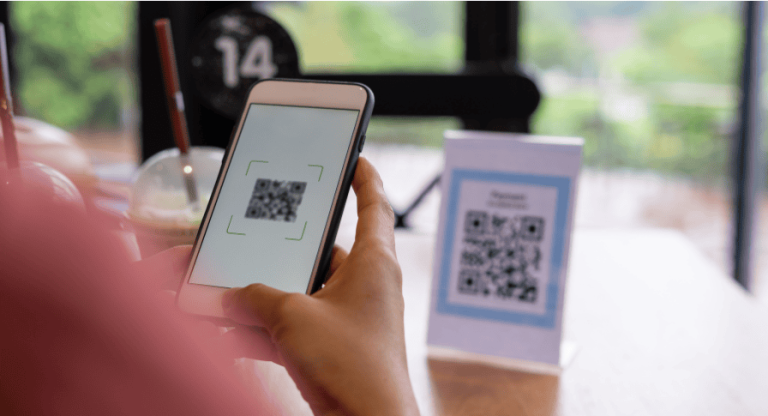
Is UPI Still Free? The Truth Behind the 2026 Tax Amendment Bill & MDR Charges
If you use the Unified Payments Interface (UPI) to buy daily groceries, pay utility bills, or send money to friends, recent headlines might have raised alarm bells. Following the passage of a new amendment bill in Parliament, viral posts and news reports claim that free UPI payments are coming to an end.
What Just Happened? The Taxation and Other Laws (Amendment) Bill, 2026
The Lok Sabha passed the Taxation and Other Laws (Amendment) Bill, 2026, which amends Section 10A of the Payment and Settlement Systems Act, 2007.
Previous Framework (Since 2020)
Section 10A enforced a statutory Zero Merchant Discount Rate (MDR) policy. Banks and Payment Service Providers (PSPs) were legally barred from charging any fee on UPI and RuPay debit card transactions.
New Framework (2026)
The 2026 amendment removes this automatic statutory ban. Instead, it empowers the Central Government to determine whether, when, and how MDR charges can be introduced via official notifications.
Current Status: Will You Be Charged for Using UPI Today?
- For Consumers: You will not be charged any fee for making UPI payments—whether you transfer ₹500 or ₹10,000. Finance Ministry clarifications confirm that consumers are entirely exempt from direct transaction charges.
- For Small Merchants: Everyday Kirana stores, local tea vendors, and small business owners will continue to accept UPI without any transaction deductions.
- The ₹2,000 Threshold: Viral reports claim that payments over ₹2,000 will automatically incur a fee. This is false. While experts and policymakers discuss capping exemptions around ₹2,000 to protect small transactions, no mandatory ₹2,000 fee rule has been notified by the government.
What is MDR (Merchant Discount Rate)?
To understand why this legal change was introduced, it helps to understand how digital payment processing works.
When a digital transaction occurs, processing platforms incur operational costs for server maintenance, network security, and fraud prevention. Merchant Discount Rate (MDR) is the fee charged to merchants to cover these operational infrastructure costs. This fee is split among:
- Acquiring & Issuing Banks
- Payment Service Providers (PSPs) (e.g., PhonePe, Google Pay, Paytm)
- Payment Networks (e.g., NPCI, Visa, MasterCard)
Why Was Zero MDR Introduced in 2020?
In 2020, the Indian government mandated Zero MDR on UPI and RuPay debit cards to drive mass adoption of digital payments. To keep the network running, the government provided direct subsidies to banks and fintechs (budgeting over ₹2,000 Crore to ₹3,600 Crore annually).
However, as UPI transaction volumes scaled massively—reaching over 24,000 crore transactions valued at over ₹314 Lakh Crore annually—relying solely on government subsidies became fiscally unsustainable for expanding cybersecurity and server capacity.
How Could Future UPI Charges Work?
If the Central Government eventually issues official notifications to reintroduce MDR on UPI, the framework is expected to follow a tiered, targeted model:
| Transaction Category | Expected Future Rule | Impact on User/Merchant |
|---|---|---|
| Person-to-Person (P2P) | 100% Free | Zero cost when sending money to friends or family. |
| Person-to-Merchant (P2M) Under ₹2,000 | 100% Free | Covers ~95-96% of everyday daily transactions. |
| Person-to-Merchant (P2M) Over ₹2,000 | Targeted MDR (e.g., ~0.30%) | Applies strictly to high-turnover/large commercial merchants. |
Potential Impacts Across the Payment Ecosystem
1. For Consumers
Consumers will not face direct transaction fees from banks or payment apps. However, if large merchants face higher operational MDR costs on big-ticket purchases (over ₹2,000), some may attempt to pass these commercial costs on indirectly through convenience fees or by offering discounts for cash/debit alternatives.
2. For Banks & Fintech Service Providers
Enabling MDR creates a sustainable revenue model for banks and payment providers (NPCI, Paytm, PhonePe, Google Pay). This capital helps fund crucial upgrades in cybersecurity, server capacity, uptime reliability, and fraud monitoring systems.
3. For Large Merchants vs. Small Shopkeepers
Small vendors and local stores remain protected under zero-cost tiering. Large commercial enterprises handling high-value digital volume will absorb standard commercial processing fees, aligning UPI with other digital payment instruments like credit and debit cards.
Frequently Asked Questions (FAQs)
Is UPI going to charge users money for transfers?
No. UPI is free for consumers. Any prospective MDR framework applies strictly as a merchant acceptance fee between merchants and acquiring banks.
Will I be charged for transferring money to my friends or family?
No. Person-to-Person (P2P) transfers remain entirely outside the scope of Merchant Discount Rates and will stay 100% free.
Are UPI payments over ₹2,000 being charged right now?
No. No automatic deductions exist today for UPI transactions above ₹2,000. Standard UPI payments remain completely free until the government formally publishes fee structure guidelines in the Official Gazette.