
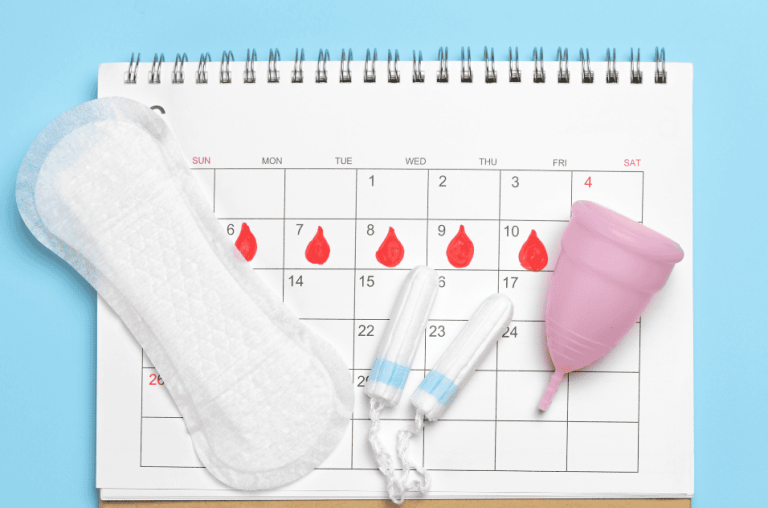
The Ultimate Guide to Period Care: Pads vs. Tampons vs. Menstrual Cups vs. Discs
Navigating period care can feel overwhelming. With traditional options sharing shelf space with modern reusables, choosing the right method comes down to comfort, lifestyle, budget, and body anatomy. Below is a comprehensive breakdown of the most common menstrual products, how they work, their pros and cons, and how to choose the right fit for your routine.
Comparing Menstrual Products at a Glance
| Product | How It Works | Wear Time | Reusability | Best For |
|---|---|---|---|---|
| Sanitary Pads | Sticks to underwear; absorbs flow externally | 3–4 hours | Single-use (or washable fabric) | Beginners, postpartum care, overnight, rest days |
| Tampons | Inserted into the vaginal canal; absorbs internally | 4–8 hours | Single-use | Swimming, sports, discreet protection |
| Menstrual Cups | Sits in the lower vaginal canal; collects flow via suction | Up to 12 hours | Reusable (5–10 years) | Long work days, heavy flow, eco-conscious users |
| Menstrual Discs | Tucks behind the pubic bone; collects flow flatly | Up to 12 hours | Disposable or Reusable | Mess-free period sex, high capacity, IUD users |
1. Sanitary Pads & Reusable Cloth Pads
Pads are the most traditional and widely accessible menstrual hygiene product. They adhere directly to the inside of your underwear to catch flow as it exits the body.
Best For: Beginners, overnight sleep, relaxation days, and anyone who prefers non-insertable options.
Pros
- Zero insertion required; straightforward and accessible.
- Wide range of sizes, thicknesses, and absorbency levels.
- Reusable cloth pads provide a breathable, fabric-soft alternative to disposable synthetics.
Cons
- Can shift, bunch, or feel bulky during intense workouts.
- Prolonged contact with moisture can cause chafing, skin irritation, or odor.
- Standard disposable pads contribute substantial single-use plastic waste to landfills.
100% Leak-Proof Defense

2. Tampons
Tampons are small cylinders of absorbent cotton or rayon that are inserted directly into the vaginal canal using an applicator or fingers.
Best For: Active lifestyles, swimming, running, and tight-fitting athletic wear.
Pros
- Discreet, compact, and unnoticeable when positioned correctly.
- Allows full freedom of movement without shifting or friction.
Cons
- TSS Risk: Must be changed every 4 to 8 hours to prevent Toxic Shock Syndrome (TSS), a rare but serious bacterial infection caused by Staphylococcus aureus.
- Dryness: Absorbs natural vaginal lubrication alongside menstrual fluid, which can disrupt delicate vaginal flora and pH levels.
- Not Flushable: Tampons clog plumbing and should always be disposed of in a waste bin.
3. Menstrual Cups
Made from medical-grade silicone or TPE, menstrual cups are flexible, bell-shaped devices designed to collect fluid rather than absorb it. They form a light seal against the vaginal walls just below the cervix.
Best For: Heavy flows, long shifts, travel, budget savings, and zero-waste living.
Pros
- Longer Wear Time: Holds 3 to 5 times more fluid than a tampon; safe to wear for up to 12 hours.
- Preserves Vaginal Health: Collects flow without stripping natural moisture, helping maintain the optimal acidic vaginal pH balance (3.8–4.2).
- Cost-Effective: A single cup can last up to 10 years, replacing thousands of disposables.
Cons
- Learning Curve: Requires practice with folding techniques (such as the Punch-Down or C-Fold) and removal.
- Maintenance: Must be washed with mild soap during your cycle and boiled for 5 to 10 minutes between periods to sterilize.
- IUD Consideration: Because cups rely on suction, break the seal fully before pulling down to avoid dislodging an intrauterine device (IUD).
4. Menstrual Discs
Unlike cups, discs sit higher up in the vaginal fornix—tucked securely behind the pubic bone and resting right beneath the cervix. They do not rely on suction to stay in place.
Best For: Users with an IUD, active individuals, and those seeking mess-free intercourse during menstruation.
Pros
- No Suction Seal: Does not pull on the cervix, making it a lower-risk option for IUD users.
- Higher Capacity: Wide, flexible catch basin holds significant volume.
- Intimacy-Friendly: Sits flat against the vaginal fornix, allowing for mess-free penetrative intercourse while worn.
Cons
- Messier Removal: Because it lacks a rigid base, removing the disc can lead to spills if not kept level.
- Fewer Size Variations: Most discs come in a standard "one-size-fits-most" diameter.
How to Choose the Right Size for Internal Products
When choosing a menstrual cup or disc, look at your anatomy rather than just your flow volume:
- Size A / Small (Size 1): Recommended for individuals under 30 or those who have not given birth vaginally.
- Size B / Large (Size 2): Recommended for individuals over 30, those who have delivered vaginally, or those with a weaker pelvic floor.
- Cervix Height: Check your cervix height during your period. A low cervix requires a shorter, compact cup, while a high cervix requires a longer body or stem for easy removal.
Important Safety Note: What to Avoid
Medical Caution: Avoid natural sea sponges or homemade porous materials for internal period protection. Sea sponges are unregulated, prone to harboring bacteria like Staphylococcus aureus, difficult to sanitize fully, and can tear inside the vaginal canal, significantly increasing infection and TSS risks.
The Verdict
Every body and every menstrual cycle is different. Many people find success by combining methods—using a menstrual cup for long workdays, a tampon for swimming, and pads or period underwear for light flow days and restful nights. Experiment safely, follow hygiene guidelines, and choose what keeps you feeling supported and comfortable.